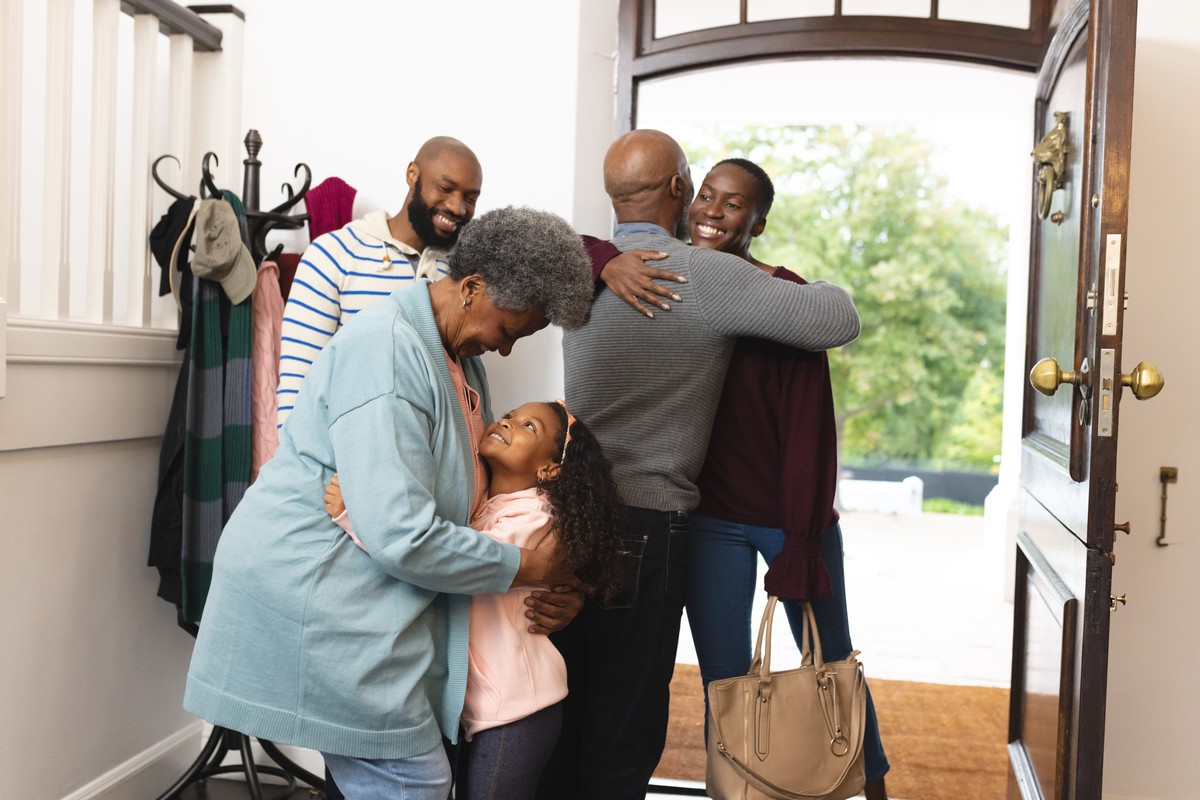
Multigenerational family

Mind & Body

Rooted in culture.
Open to all.

Care shouldn't feel like something you have to adapt to; it should feel like something that understands you from the start.

Finding help is a journey
many quietly share.

For many, finding a therapist was possible; finding one who truly understood was not. The process usually feels clinical, unfamiliar, and at times isolating.

Even after starting, the conversations didn't always feel natural, because culture shapes how we speak, what we say, and what we choose to keep to ourselves.

In many Caribbean households, mental health isn't something openly discussed.

You manage,

you push through,

you keep it within the family.

That way of thinking doesn't disappear when you move; it comes with you into new environments, new pressures, and systems that don't always reflect your lived experience.

This gap isn't just one person's story. It exists across many culturally diverse communities, where finding care is possible, but finding connection is not. That's the gap this platform was built to address.

That Familiar Feeling

Care that feels familiar

Care works differently when it feels familiar.

When you sit with someone who understands how your family communicates, what isn't said out loud, the pressures you carry, and the way culture shapes identity — something shifts.

  • You don't have to explain as much
  • You don't have to translate your experience
  • You don't feel like a case
  • You feel understood
This platform

Makes that connection easier to find.

Healing isn't only something you talk through. It's something you move through.

Use this platform to find practitioners who share a cultural context — not just a credential. People who see you, not just your presenting concern.

The Other Half of the Equation

The body has always known what the mind needed. Long before there were clinical terms for it, people understood that movement changes something — that a long walk after a hard conversation clears something no amount of sitting still can.

Dancing, running, lifting, swimming — the physical act of inhabiting the body with intention — is not separate from emotional health. It is emotional health, expressed differently.

The research confirms what communities have always practised: exercise reduces anxiety and depression, stimulates the endorphins that regulate mood, and builds the kind of resilience that makes everything else in a wellness plan more effective.

For communities that carry higher risk of hypertension, diabetes, and heart disease, the physical case for regular movement strengthens the psychological one.

Beyond the biology, there is something harder to measure — the comfort of being around people who understand you, of working with someone who sees you as a person, not a problem.

"Movement is not separate from emotional health. It is emotional health, expressed differently."

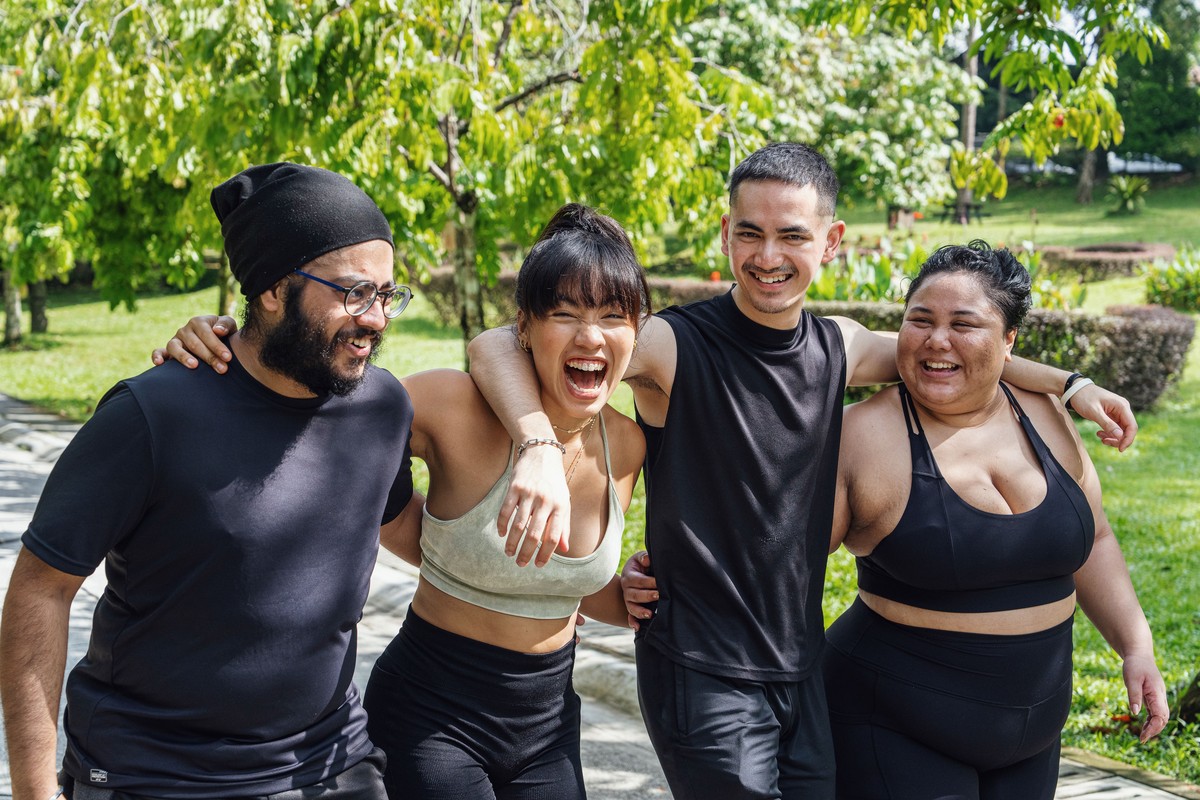
Friends laughing
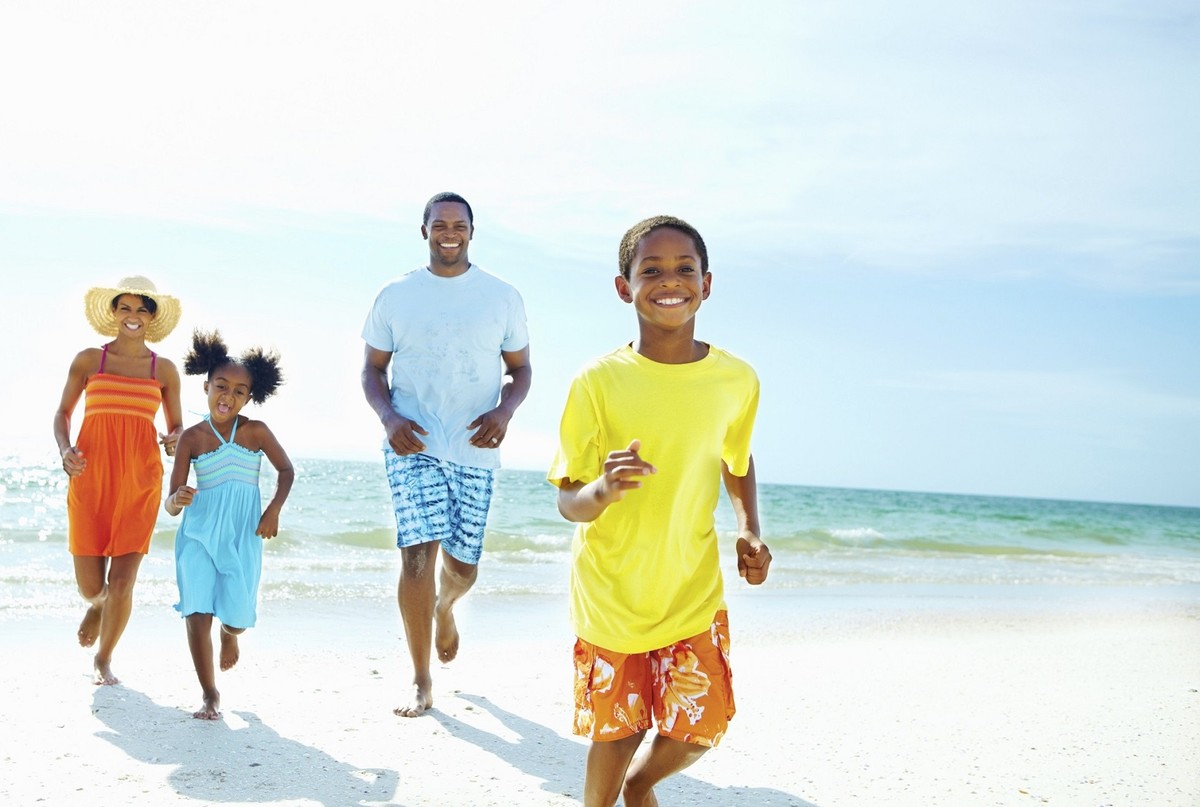
Family fitness

Explore where community moves and wellness grows.

Every practitioner on the platform recognizes that movement is not separate from wellness, but an essential part of the conversation.

That is the experience being built here, in partnership with FitnessBeach.ca, and with every fitness professional in the directory who integrates movement into a more complete approach to care.
Explore the directory